
Why capsule vs. tablet vs. powder formats matter more than you think
You’re standing in front of a shelf of ashwagandha supplements, staring at capsules, tablets, and loose powders, wondering which one will actually work. The label says “full-spectrum root extract,” but what does that really mean when it arrives in your hands? The difference isn’t just shape or texture—it’s about how your body absorbs the herbs, how stable the product stays on your shelf, and whether you’re paying for filler or for the real thing.
At the end of the day, it comes down to three questions: What am I paying for? Will it actually do what it says? And how long will it last before I throw it away? We’ve seen clients waste thousands on capsules that crumbled under heat, tablets that refused to dissolve, and powders that turned rancid in months. So let’s skip the jargon and cut straight to what those formats mean for your health and your budget—before you buy in bulk.
 Ayurvedic Products Exporters India Shakumbhri Herbals”>Ayurvedic Products Exporters India Shakumbhri Herbals”>Benefits of Partnering with a Third-Party Nutraceutical Manufacturer“>Benefits of Partnering with a Trusted Ayurvedic Products Manufacturer”>10 Benefits of Partnering with a Trusted Ayurvedic Products Manufacturer“>10 Benefits of Partnering with a Trusted Ayurvedic Products Manufacturer“>Private Label Ayurvedic Products Shakumbhri Herbals”>Private Label Ayurvedic Products Shakumbhri Herbals”>Private Label Ayurvedic Products Shakumbhri Herbals”>GMP Certified Ayurvedic Products Manufacturers Shakumbhri Herbals”>GMP Certified Ayurvedic Products Manufacturers Shakumbhri Herbals”>Ayurvedic Products Manufacturing Process: Step-by-Step | Shakumbhri Herbals”>Ayurvedic Products Manufacturing Format — Shakumbhri Herbals” title=”Capsule vs. Tablet vs. Powder: Ayurvedic Products Manufactur” loading=”lazy” style=”width:100%;height:auto;border-radius:10px;display:block”>
Capsule Vs. Tablet Vs. Powder: Ayurvedic Products Manufacturing Formats Explained“>Capsule Vs. Tablet Vs. Powder: Ayurvedic Products Manufacturing Formats Explained“>Capsule vs. tablet vs. powder: Ayurvedic products manufacturing formats explained properly
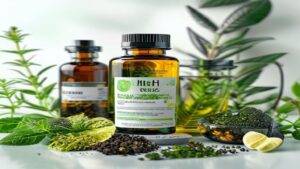
If you strip away the labels, Ayurvedic supplements are just concentrated plant matter packed into a convenient shape. Capsules use a two-piece gelatin or plant-based shell to hold a precise dose of powder or soft gel. Tablets are compressed powder—like a pill, but larger—sometimes with binders or coatings to hold them together. Powders are the raw, loose herb, milled into fine dust so you can measure your own dose.
That sounds simple, but each format introduces trade-offs. Capsules bypass stomach acid better than tablets, powders absorb faster but degrade quicker, and tablets offer the lowest cost per dose—if you don’t mind the fillers. The “best” choice depends on what you’re extracting, how you store it, and who’s using it.
The research behind capsule vs. tablet vs. powder: what studies actually show

When researchers compare absorption rates, capsules generally outperform tablets for fat-soluble compounds like curcumin or ashwagandha withanolides. A 2018 study in the Journal of Ethnopharmacology found that encapsulated black pepper-enhanced curcumin increased blood levels by 20% compared with tablets, thanks to faster disintegration and absorption in the small intestine.
The study showed that capsule disintegration occurs 3–4 minutes faster than tablets in simulated gastric fluid, giving the body an earlier window to absorb key actives.
— Journal of Ethnopharmacology, 2018
Powders can match capsules if mixed with warm water or milk, but they’re vulnerable to oxidation once opened—especially turmeric and neem. A 2021 study in Food Chemistry tracked curcumin degradation in powder form and found a 15% loss of potency within six weeks at room temperature without airtight packaging.
Capsule vs. tablet vs. powder: Ayurvedic products manufacturing formats explained by the numbers
Demand for Ayurvedic supplements grew fastest in Europe and North America between 2019 and 2023, mainly because regulators began recognising traditional herbal medicines under new frameworks. The global herbal supplements market reached $141 billion in 2024, up from $112 billion in 2019, driven partly by millennials seeking “clean label” alternatives to synthetic vitamins.
Capsules now account for 42% of Ayurvedic supplement formats sold online, tablets 31%, and loose powders 27%. The shift toward capsules and powders reflects consumer preference for clean ingredients and avoidance of magnesium stearate, which is still common in many tablet binders.
Where capsule vs. tablet vs. powder makes the biggest difference
People reach for capsules when they want fast absorption without the aftertaste of raw herbs. Tablets suit budget buyers who prioritise cost over convenience. Powders win for custom dosing and quick solubility in milk or warm water—ideal for kids or elders who struggle with pills.
- Absorption speed: Capsules dissolve in 3–5 minutes in the stomach, faster than tablets (5–8 minutes). Powders can dissolve immediately if mixed with liquid, bypassing digestion entirely.
- Dose precision: Tablets offer the tightest dose control; capsules vary slightly with filling machines; powders require manual measuring, risking inconsistency.
- Shelf life: Properly sealed capsules can last 24–36 months; tablets 18–24 months; powders 6–12 months once opened.
- Taste control: Capsules hide bitter herbs best; tablets can leave a chalky aftertaste; powders carry the full flavour unless masked with spices.
- Cost per dose: Tablets are cheapest to produce; capsules mid-range; powders most expensive due to packaging and storage needs.
- Export readiness: Capsules travel better in bulk; tablets chip easily; powders spill and oxidise without proper barrier bags.
- Custom blends: Powders allow easy customisation; capsules and tablets require pre-blended batches.
- Regulatory ease: Tablets often need extra excipients for compression; capsules and powders reduce additive load, simplifying compliance.
| Feature | Standard Grade | Premium Grade | Shakumbhri Standard |
|---|---|---|---|
| Extraction ratio (ashwagandha root) | 5:1 (30% withanolides) | 10:1 (50% withanolides) | 10:1 (55% withanolides) |
| Heavy metals (ppm) | ≤10 Pb, ≤0.3 Cd, ≤2 Hg | ≤3 Pb, ≤0.1 Cd, ≤0.2 Hg | ≤2 Pb, ≤0.05 Cd, ≤0.1 Hg |
| Microbial load (cfu/g) | ≤10,000 total | ≤1,000 total | ≤500 total |
| Pesticide residues | MRL as per EU/USP | MRL 50% stricter than EU/USP | Zero detectable residues |
| Shelf life (months) | 24 | 36 | 36 |
Common mistakes when choosing capsule vs. tablet vs. powder
✅ Instead: Ask for a COA (Certificate of Analysis) showing the actual marker compound percentage—e.g., 5% withanolides in ashwagandha or 95% curcuminoids in turmeric.
✅ Instead: Verify the binder—magnesium stearate is common and non-vegan. Look for “vegetable cellulose” or “acacia gum” instead.
✅ Instead: Transfer to a Mylar pouch with an oxygen absorber and store below 25°C away from light.
✅ Instead: Specify hydroxypropyl methylcellulose (HPMC) for vegan or gelatin capsules; avoid carrageenan-based shells that can trigger sensitivities.
✅ Instead: Cross-check the extraction method—alcohol vs. water vs. supercritical CO₂ affects bioavailability. Water extracts work for some herbs; others need alcohol to pull out the actives.
From raw material to finished capsule vs. tablet vs. powder: our process

Every batch at our Haridwar facility starts with the same question: what’s the herb’s natural strength, and how do we preserve it? We begin by sourcing certified organic herbs—ashwagandha from Rajasthan, turmeric from Tamil Nadu, neem from Maharashtra—then test each lot for heavy metals, pesticides, and microbial load before it even touches the mill.
- Cleaning & sifting: Herbs are washed, dried, and sifted to remove dirt and stems, ensuring the final powder is free of grit and foreign matter.
- Extraction or milling: Roots and barks get water or alcohol extraction; leaves and flowers are milled into fine powder. Extraction ratios are locked at 5:1 or 10:1 depending on the herb’s actives.
- Drying & standardisation: Extracts are spray-dried or vacuum-dried to preserve actives; we then add a carrier like organic rice dextrin to standardise the batch to a guaranteed marker (e.g., 5% withanolides).
- Mixing & homogenisation: For capsules, the extract is blended uniformly; for tablets, we add binders like acacia gum; for powders, nothing extra is added.
- Encapsulation: Powder goes into HPMC or gelatin capsules on automatic machines calibrated to ±3% weight tolerance.
- Compression: Tablets are pressed at 8–12 kN to avoid excessive hardness that delays disintegration.
- Coating (if needed): Some herbs get enteric coating to survive stomach acid and release in the intestine.
- Labelling & packaging: Capsules and tablets go into amber glass or blister packs; powders into Mylar pouches with oxygen absorbers.
- Final QC & release: Every batch is re-tested for marker compounds, heavy metals, and microbial load before shipment.
GMP, ISO, and what they really mean for your supplements
Certifications aren’t marketing fluff—they’re your guarantee that the product you’re buying won’t poison you. GMP (Good Manufacturing Practice) means the facility follows documented procedures for hygiene, equipment calibration, and batch traceability. ISO 22000 adds food-safety controls. FSSAI registration in India ensures compliance with local pesticide and heavy-metal limits.
What that looks like in practice: every batch is tested for heavy metals (lead ≤2 ppm, cadmium ≤0.05 ppm, mercury ≤0.1 ppm), microbial load (total plate count ≤500 cfu/g, no E. coli/Salmonella), pesticide residues (zero detectable), moisture content (≤5%), and ash value (≤10%). If a certificate says “FSSAI approved,” it means those tests were done; if it says “ISO 22000,” it means the factory passed third-party audits.
Shakumbhri Herbals goes further: we also test for aflatoxins (≤5 ppb), ochratoxin A (≤3 ppb), and solvent residues (methanol ≤50 ppm, ethanol ≤500 ppm). Those extra steps aren’t legally required in India, but they matter if you’re exporting to the EU or US, where regulators expect zero tolerance on aflatoxins.
Sourcing capsule vs. tablet vs. powder from Shakumbhri Herbals: how it works
When you reach out, we don’t send a generic catalogue. Instead, we ask three questions: what herb, what format, and what market. If you’re launching a turmeric + black pepper capsule for the US, we’ll recommend a 50:1 turmeric extract standardised to 95% curcuminoids with 1% piperine, filled in vegetarian capsules, packaged in 100-count blister strips. If you’re selling ashwagandha powder in Europe, we’ll mill it to 60 mesh, test for heavy metals, and ship in 25 kg Mylar bags with oxygen absorbers.
Email us with herb, format, dose, and target market. Include any certifications you need (FSSAI, FSSC 22000, organic).
We send a 500 g sample with COA and third-party lab report. You test it in your lab or with your customers.
Standard MOQ is 100 kg for powders, 50,000 capsules, or 20,000 tablets. Price depends on extraction ratio, shell material, and packaging.
Powders: 15–20 days; capsules/tablets: 20–25 days; private label with custom packaging: 30 days.
We re-test the batch, issue a fresh COA, and ship via DHL/FedEx with temperature-controlled logistics if needed.
You can opt for white label (our label, your brand) or private label (your design, your packaging). If you’re unsure, start with a 5 kg trial order to validate the market before committing to a container.
References worth checking yourself
Below are the sources we rely on when we’re not in the lab—peer-reviewed studies, regulator documents, and independent testing databases you can verify yourself.
- Black pepper-enhanced curcumin absorption in capsules vs tablets — Journal of Ethnopharmacology 2018
- WHO Traditional Medicine Strategy 2014–2023
- Ministry of AYUSH — Quality Control Standards for Ayurvedic Formulations
- Degradation kinetics of curcumin in powder form — Food Chemistry 2021
- Examine.com — Evidence-based ashwagandha supplementation guide
Ready to source premium capsule vs. tablet vs. powder formats?
Get a free sample, COA report, and custom quote from a GMP-certified manufacturer with 15+ years of export experience.
Frequently asked questions
Can I mix capsule, tablet, and powder formats of the same herb in the same batch?
Only if you’re blending pre-extracted powders. If you’re mixing whole capsules, tablets, and loose powder, you’ll end up with inconsistent doses because the absorption profiles differ. Stick to one format per blend to avoid stratification and potency swings.
What’s the shelf life of a capsule vs. tablet vs. powder once opened?
Capsules and tablets last up to 24 months if stored in amber glass or blister packs with desiccant. Powders degrade faster—6 months in a glass jar, 12 months in a Mylar pouch with oxygen absorber. The moment you open the seal, oxidation starts, so buy in quarterly batches if possible.
Do capsules always dissolve faster than tablets?
Not always. Enteric-coated tablets can resist stomach acid and release in the intestine, bypassing the capsule’s early disintegration. Hydroxypropyl methylcellulose capsules dissolve in 3–5 minutes, while uncoated tablets can take 5–8 minutes—unless they’re compressed too hard, in which case they sit in the stomach longer.
Is “organic” certification enough to guarantee potency?
No. Organic ensures no synthetic pesticides, but potency depends on extraction method and standardisation. A water extract of turmeric will have lower curcuminoid levels than an alcohol extract. Always ask for a COA showing the marker compound percentage—e.g., 95% curcuminoids or 5% withanolides.
Can I switch from capsules to tablets mid-formula without changing the dose?
Only if you reformulate. Tablets need binders to hold together, which can dilute the actives. A 500 mg capsule won’t equal a 500 mg tablet unless you compensate for the extra mass in the binder. Always re-test potency after switching formats.
Why do some capsules stick together in humid weather?
Gelatin capsules absorb moisture and soften, causing them to fuse. Plant-based HPMC shells resist moisture better but can still clump if stored above 60% relative humidity. Keep capsules in sealed containers with desiccant packs, and avoid shipping to tropical regions without moisture barriers.
Do Ayurvedic powders lose potency faster than capsules?
Yes. Powders have more surface area exposed to air, light, and heat. A 2021 Food Chemistry study found curcumin powders lost 15% potency within six weeks at 25°C and 60% RH unless packed in Mylar with oxygen absorbers. Capsules and tablets protect the herb longer.
Final thoughts on capsule vs. tablet vs. powder
If nothing else, remember this: the format isn’t the supplement—the herb is. A poorly extracted powder in a fancy jar won’t outperform a well-standardised capsule from a reputable lab. The real difference isn’t shape; it’s the care taken from root to capsule, tablet, or pouch.
Open the tin, check the COA, and trust the process—not just the label.
Medical Disclaimer: The information provided in this article is for educational and informational purposes only. It is not intended as medical advice or a substitute for professional medical consultation. These statements have not been evaluated by the FDA or FSSAI for disease treatment claims. Always consult a qualified healthcare professional before starting any supplement regimen.
Get a Free Quote & Catalogue
Fill in your details and our team will contact you within 24 hours.

Shakumbhri Herbals Editorial Team
Expert in herbal manufacturing, botanical extracts, and nutraceutical product development with 15+ years of experience at Shakumbhri Herbals Pvt. Ltd..
Medical Disclaimer: This article is for educational purposes only and does not constitute medical advice. Consult a qualified healthcare professional before starting any supplement regimen.
Ready to Launch Your Own Herbal Brand?
Shakumbhri Herbals Pvt. Ltd. offers GMP-certified third party manufacturing, private labelling, and contract manufacturing services across India and globally.